In our world of over stimulation, instant gratification and material goods this article begins to put every thing in perspective when it comes to raising kids today. With mental illness on a drastic rise in the past decade, this article is a must read for parents, educators and even kids. Let’s start putting kids first by giving them less and letting them explore and discover more.
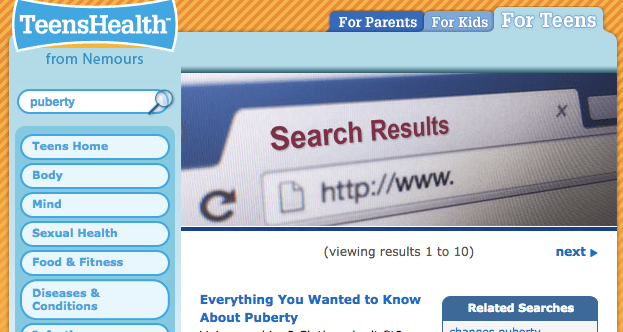
Hey everyone! A new great resource for kids to help explain to them about changes that happen during adolescence. This website not only describes the physical changes, but also the social emotional changes a child may go through during this crazy period of their life. The videos are great and the information even greater:) Check it out kids and parents!!!
Today we’re going to focus on realistic, healthy coping skills for you that can, and will, keep your stress levels at a minimum so you can thoroughly enjoy and have fun your senior year!!!
SENIOR RETREAT SCHEDULE and RESOURCES
Healthy Coping Skill #1: Journaling
Journal Topic-How are you feeling about what you’re learning today??? What are some concerns you have about your senior year?
4. Discussion: What type of procrastinator are you? Form a group of people with different procrastination styles, read the following article and answer the questions, then discuss in your groups.
Making healthy choices as you get older can be a tough thing to do.Luckily, you just learned all the most updated information about how to live a healthy lifestyle in our grade 7 Health class.Now it’s your turn to share what you’ve learned!Your job is to write a letter to an incoming 6th grade student teaching them how to make at least 3 healthy choices while in middle school when it comes to nutrition, physical activity, sleep, technology and/or time management.Make sure to state WHY these healthy choices are important and how making these choices can improve different areas of health (social, emotional, physical and mental).Also, give some specific suggestions of what they can do to make their middle school days as healthy as possible, as well as some personal examples from your own experience.
I recently read an article entitled “The Disease of Being Busy“. As a parent and a teacher I see all too often a child being over scheduled with lessons, extra study sessions, involved in more extra curricular activities to count, often times leaving them overly exhausted and missing out on those unstructured play/hangout times necessary to learn various social and problem solving skills and to be imaginative and creative with their friends! Sometimes I feel the pressure to jump on the over scheduled bandwagon for myself and my children, but this article is a great reminder why it’s so important to say NO to being busy.
Hey 6th graders! Get ready to explore and research SUPER FOODS and discover why exactly these foods are considered SUPER. As you are researching, take notes about all the amazing information you are learning about on the document below. Happy researching!
Hey there parents and teens, or soon to be teens! Yet another article about the power of SLEEP! We all know 9 hours is the goal for teens, but did you know only 40% middle school students are getting those much needed zzzzzz’s? Teenagers, Sleep and Mental Health, an article by Harvard Medical School psychiatrist Emily Deans M.D.explains why sleep is so necessary for children, teens and adults, focusing on sleeps effect on mental health.
Check it out and get some great tips on how to help yourself get the WHOLE 9!
Food messages around the world are changing every day. Today we are going to do a little research about what people are eating around the globe and how it compares to your daily diet. Watch this video clip about breakfast around the world and see how it compares to your daily breakfast and notice the differences amongst the countries.
Now take a look at this at this slideshow about school lunches around the world. When you’re looking at the pictures, think about how the lunches compare to your lunch and which lunches you wish were served here at SAS!
Now, you’re going to learn more about why people around the world consume the foods they eat by looking at the food and dietary guidelines all around the world. Here is the link to the most recent Food Based Dietary Guidelines around the world. Our hope is that you can make our cafeteria a place where students are able to put into practice the messages they learn:)
Below is your note-taking sheet that will help you with this project:
We are also going to be looking if you’re able to find and locate valid, resourceful information through your note taking sheet. Take a look at the rubric to make sure you’re on the right track and using all the skills you’ve been taught to locate these resources.
Hey kids! Today we’re going to take some time to closely at websites we find online to make sure they are valid, resourceful and kid-friendly. We want to make sure if you ever need to use the computer to search a Health topic, you have some great resources in your back pocket to go to.
First we’re going to watch a fews videos on the power of safe online searching:
Second, think of a typical question one may have during puberty, put it into your favorite search engine and see your results. From what you know and learned evaluating sources for their validity, complete your own evaluating health websites sheet. With all the awesome valid and reliable websites you and your friends in the class find, you will have a great tool kit of websites that will give you awesome information about PUBERTY! 🙂

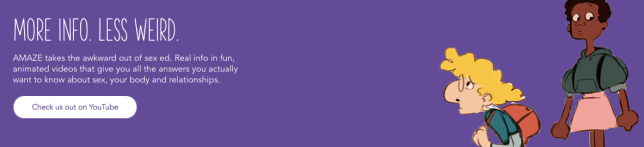 Hey everyone! A new great resource for kids to help explain to them about changes that happen during adolescence. This website not only describes the physical changes, but also the social emotional changes a child may go through during this crazy period of their life. The videos are great and the information even greater:) Check it out kids and parents!!!




 Health and Happiness